Plan a Whole House Audio System for New Builds
8 min read
Elevate Your New Build with Seamless Whole-House Sound
Planning a new home or business is the perfect time to think about how you want sound to work in every space. A whole-house audio system sends music, podcasts, and TV audio to different rooms or areas, all from one connected setup. It is very different from a single Bluetooth speaker on the counter or a portable speaker in each room because everything is tied together and easy to control.
With whole-house audio, mornings can start with news in the kitchen and soft music in the primary suite. During the day, kids can listen in their rooms while you play something different in the office. On weekends, game audio can roll out to the great room and patio. For southeast Michigan homes and businesses, that means smooth sound from the basement bar to the upstairs loft and even to covered outdoor areas when the weather is nice.
New construction is the ideal time to plan this. When walls and ceilings are still open, it is much easier to run wire, choose clean speaker locations, and plan for future upgrades. The result is a system that looks built-in instead of tacked on later, and that fits your layout instead of fighting it.
Why New Construction Is the Perfect Time to Plan Audio
When a building is still at the framing stage, you can see every stud, joist, and ceiling cavity. That is exactly when prewiring for a whole-house audio system makes the most sense.
Prewiring during construction gives you:
• Hidden cables instead of visible wires and plugs
• Clean ceilings and walls with built-in speakers instead of big boxes on stands
• Stronger and more stable sound than relying only on Wi-Fi or Bluetooth
A wired backbone feeds power and audio signals to each speaker location. Wireless speakers can still be part of the mix, but they are sitting on top of a solid structure instead of trying to replace it.
Planning early is usually simpler and less invasive than trying to add everything after you move in. Retrofitting sound into a finished home can mean cutting drywall, fishing wires, patching holes, and working around furniture and décor. When the building is new, we can coordinate with:
• The builder, to protect the schedule and framing details
• The electrician, so audio controls and power outlets land in the right spots
• Other low-voltage work, like networking and TV locations
This teamwork keeps your audio plan from becoming an afterthought and helps everything feel like one complete system.
Key Decisions When Designing a Whole-House Audio System
Once you decide to include a whole-house audio system, the next step is planning how you want it to work in real life. We usually start with zones. A zone is a space where you can play audio independently from other areas.
Common zones for southeast Michigan homes include:
• Main living area or great room
• Kitchen and dining area
• Primary suite and bathroom
• Kids’ bedrooms or playroom
• Finished basement or bar area
• Outdoor patio, deck, or pool area
Many homes end up with at least four to six zones, sometimes more if you add hallways, offices, or a garage. Businesses might use zones for a lobby, open office, conference rooms, and outdoor entries.
Next comes speaker style. Each type has its own look and best use:
• In-ceiling speakers: Great for kitchens, hallways, bathrooms, and many living spaces. They blend in and spread sound widely.
• In-wall speakers: A nice fit where you want sound at ear level, like a dining room or office, or where ceiling space is limited.
• Surface-mount speakers: Often used in outdoor areas, unfinished spaces, or commercial settings where durability and coverage matter more than a hidden look.
Then we talk about sources and control. You might want:
• Streaming music from services on your phone or tablet
• TV audio from a family room or media room shared into other zones
• A turntable or other media player in a main entertainment area
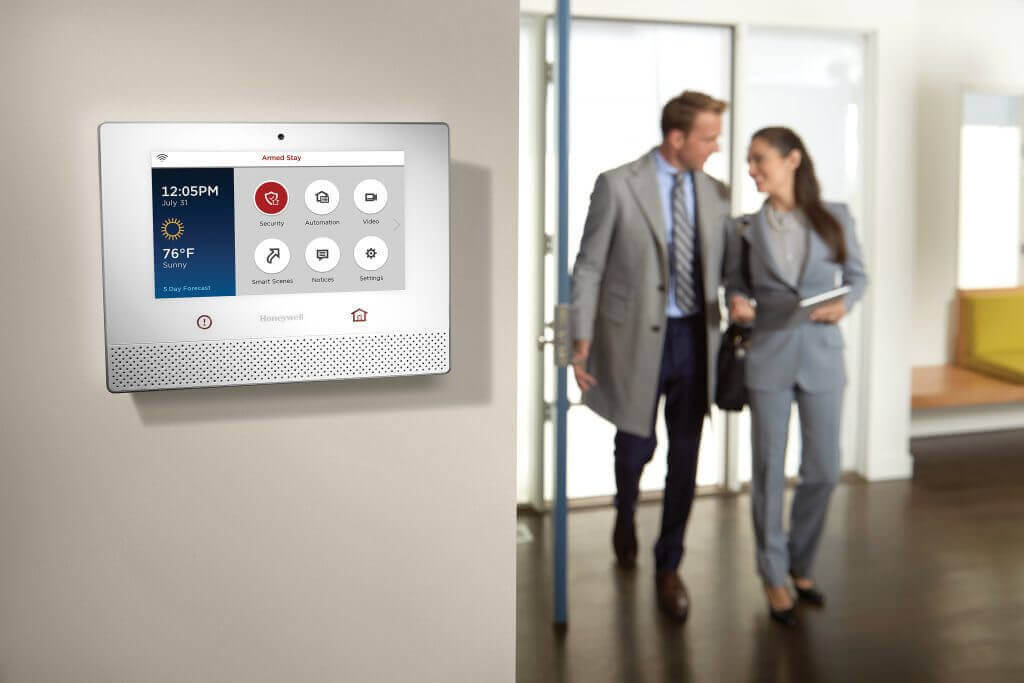
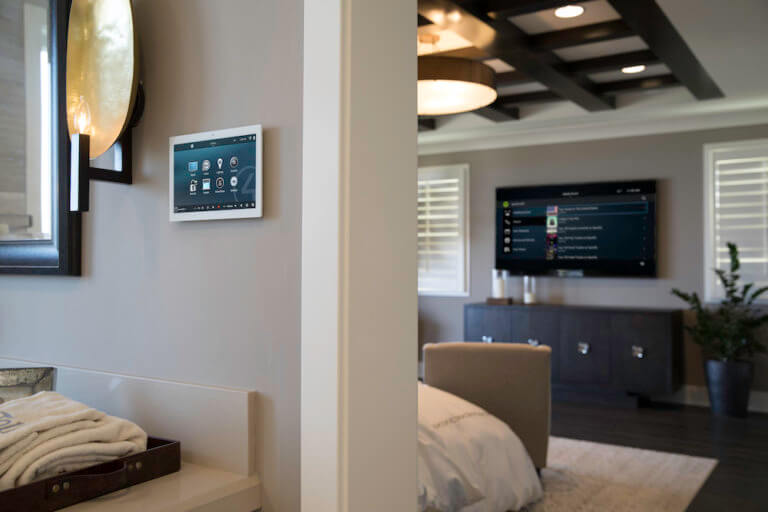
Control options can include an app on your smartphone, wall-mounted touchpads, handheld remotes, and even voice control if it fits your lifestyle. The goal is simple: anyone in the family should be able to press a button and get the sound they want where they want it.
Balancing Budget, Performance, and Future Upgrades
Not every room needs top-tier speakers and amps. Good planning means putting higher-performance gear where you spend the most time and choosing simpler gear where you just need background sound.
Spaces that often deserve a bit more attention include:
• Great room or main family space
• Media room or home theater
• Outdoor entertaining areas
• Primary suite
Secondary bedrooms, hallways, laundry rooms, and small baths usually do fine with more basic speaker options. The key is that everything still matches in sound quality and looks like part of the same design.
Many families like the idea of wire now, add later. During construction, we can run wires to more locations than you plan to use right away. You might fully finish the great room, kitchen, and patio, then come back later to activate the basement, office, or more bedrooms without opening walls.
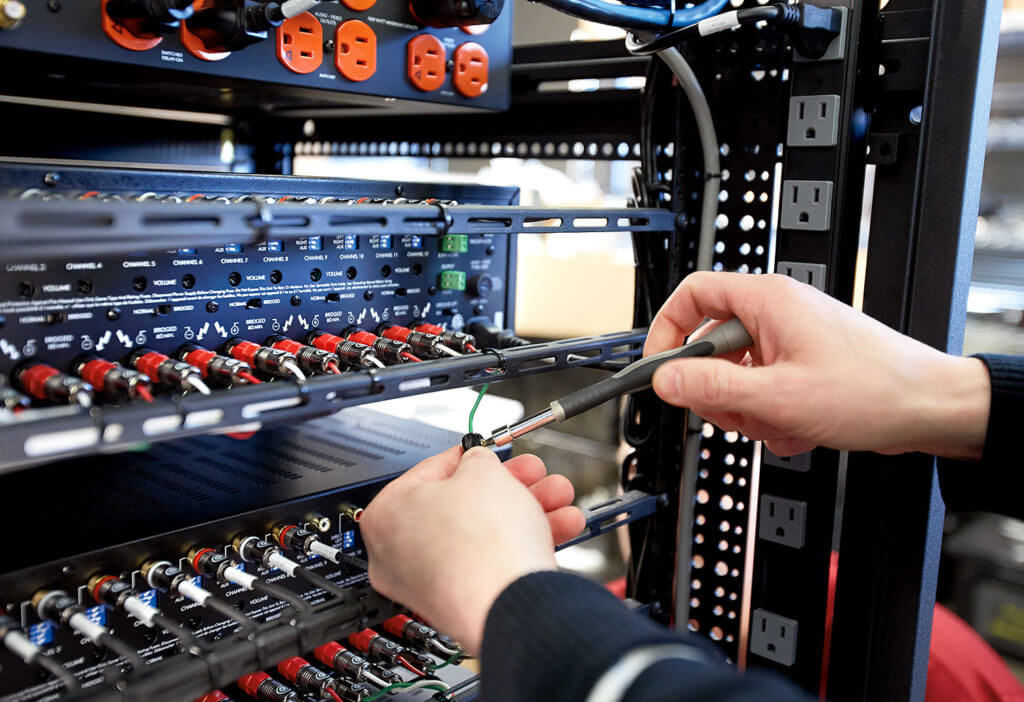
Planning for the future also means leaving room in your low-voltage rack, thinking ahead about networking needs, and picking systems that can talk to popular smart home platforms. A strong wired backbone keeps you ready for new audio gear, updated control apps, or extra zones down the road.
Smart Home Integration for Fall and Holiday Entertaining
Whole-house audio becomes even more fun when it ties into a larger smart home system. As evenings get cooler in Michigan and people spend more time inside, it is nice to tap a single scene and have lights, shades, climate, and music all respond together.
You might want:
• A Party scene that sets lights, starts a playlist in the kitchen, great room, and basement, and turns on outdoor sound if guests are stepping outside
• A Movie Night scene that dims lights, adjusts the thermostat, lowers shades, and shifts sound so the main focus is on the TV or home theater system
• A Goodnight scene that turns off music throughout the house, locks doors, adjusts temperature, and sets security
When warmer weather returns, those same systems support grilling on the patio, kids playing in the yard, with music outside, and background sound during summer get-togethers. Because everything runs on one coordinated system, you are not chasing different remotes or apps.
Partnering with FPAV Electronics for a Smooth Build
At FPAV Electronics, we focus on making whole-house audio, TVs, home theaters, and smart home systems fit naturally into new homes and businesses across southeast Michigan. Our process usually starts with a conversation about how you live or work, which spaces matter most, and what kind of control feels comfortable.
From there, we:
• Review your floor plans and walk the site with your builder when possible
• Design an audio layout that covers zones, speaker types, and wiring paths
• Coordinate prewire during framing and electrical rough-in
• Install speakers, amps, and controls after paint and finishes
• Fine-tune the system and walk you through how to use it
Being local helps us understand common floor plans, regional building styles, and climate-related details like protecting outdoor speakers from snow and temperature swings. The result is a system that fits your new build, supports the way you live through all four Michigan seasons, and can grow with you.
Frequently Asked Questions About Whole-House Audio Systems
When Should I Plan Whole-House Audio During Construction?
You should start planning before or during the electrical rough-in stage, ideally as soon as your floor plan is finalized. This timing allows FPAV Electronics to coordinate with your builder and electrician, run low-voltage wiring while walls are open, and confirm speaker and control locations before insulation and drywall go in.
Do I Need a Wired System If I Already Use Wireless Speakers?
While wireless speakers are convenient, a wired whole-house audio system delivers more reliable performance, better sound quality, and a cleaner look. Prewiring during new construction gives you a strong backbone, and you can still use wireless speakers where they make sense, but your main zones will be stable and ready for the future.
Can I Start With a Few Rooms and Expand Whole-House Audio Later?
Yes, many homeowners prewire more rooms than they initially activate. FPAV Electronics can design your system so you begin with key spaces like the kitchen, great room, and patio, then add amplifiers, speakers, or keypads later without opening finished walls.
Will Whole-House Audio Work With Smart Homes and Streaming Apps?
Modern systems are designed to work with popular smart home platforms and streaming services. FPAV Electronics can configure your whole-house audio system so you can control it from your smartphone, voice assistants, or dedicated touchscreens, and easily stream from services like Spotify, Apple Music, or Pandora.
Is a Whole-House Audio System a Good Investment for Resale Value?
Built-in audio and smart home features are increasingly attractive to buyers, especially in newer southeast Michigan homes. A professionally installed whole-house audio system can set your property apart, improve everyday living, and support a more modern, connected home experience that appeals to future buyers.
Transform Your Home With Seamless Whole-House Audio
Bring your music, podcasts, and TV audio together in a single, easy-to-use whole-house audio system designed around how you actually live. At FPAV Electronics, we’ll help you choose the right speakers, controls, and wiring so every room sounds exactly the way you want. Ready to explore options or schedule a walkthrough of your home? Just contact us and we’ll help you get started.