Whole House Audio System Tips for Family-Friendly Living
7 min read
A whole house audio system can turn daily noise into something that actually works for your family instead of against it. When mornings are rushed, kids are in and out of activities, and everyone shares the same spaces, having calm, clear sound in the background can make the day feel more organized.
In busy southeast Michigan homes, rooms need to switch roles fast, from breakfast spot to homework zone to late-night hangout. A hidden audio system acts like a quiet backbone for all of that. It can help with wake-ups, workouts, meal prep, entertaining, and slow, calm evenings, without a pile of random speakers or tangled cords.
We are going to walk through what a whole house audio system really is, how it fits real family life, and what to think about before you move forward. Late summer and the back-to-school season are a great time to decide, before fall schedules and colder weather push most activities inside.
How Whole House Audio Fits Real Family Life
Whole house audio is built around zones. A zone is a room or area where you can play what you want, at the volume you want.
A family-friendly setup often looks like this:
• Kitchen and family room as one shared zone
• Bedrooms as separate zones
• Office as a focused, solo zone
• Patio, deck, or porch as an outdoor zone
Each zone can play something different, or you can link them together. Kids can play their playlists in their rooms, the news can play softly in the kitchen, and you can have calm music in the nursery, all at the same time. When friends come over, you can sync several zones so the same playlist flows through the main floor and outside.
Typical busy-home uses include:
• Morning rush: upbeat music in the kitchen, gentle alarms in bedrooms
• After-school time: soft background music in the kitchen while kids do homework
• Home office: speech or instrumental tracks that help focus, without TV noise bleeding in
• Weekends: music across living room, basement, and backyard for casual gatherings
Parents often worry about volume and control. With a well-planned system, you can:
• Cap maximum volume in kids’ zones
• Turn down or mute a room in seconds if someone is napping
• Give grandparents or babysitters simple buttons to press, not a complicated app
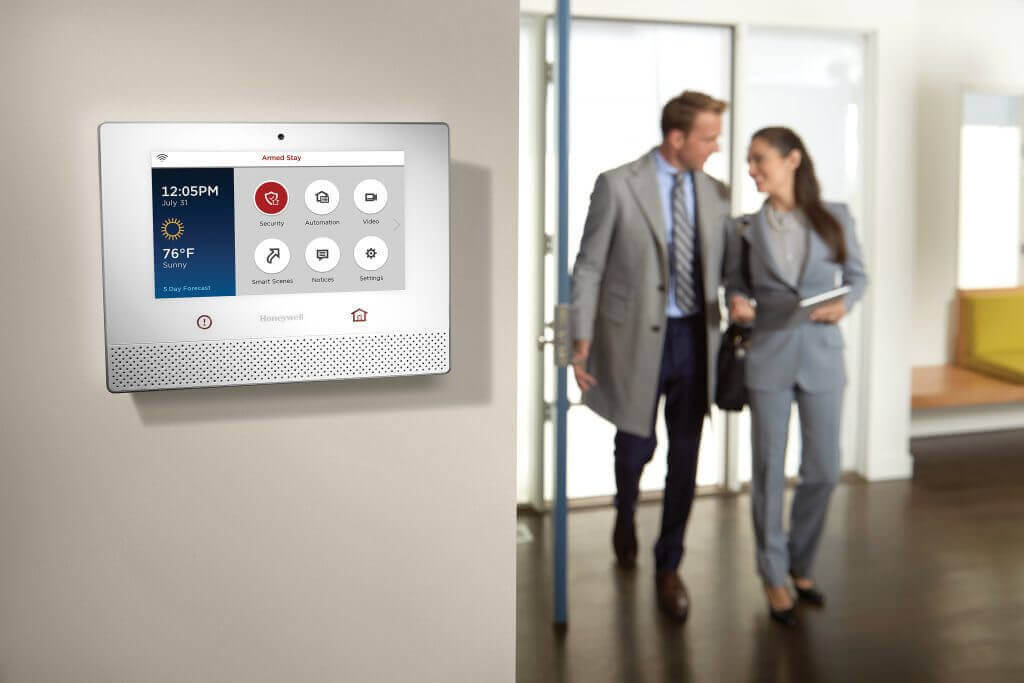
Whole house audio can also tie into smart home scenes. For example, a “Good Night” scene might lower the lights, lock doors, and start a bedtime playlist at a gentle volume, helping everyone wind down without more screen time.
Wired vs. Wireless Audio for Busy Homes
Most families want to know if they should go wired, wireless, or a mix of both. The answer depends on your home and how you live.
Wired systems use in-wall or in-ceiling speakers connected by hidden cables to a central audio hub. Wireless systems rely on Wi-Fi or your network and connect through apps. Hybrid systems blend the two.
Here is a simple comparison:
• Wired:
• Great for consistent sound across larger homes
• Less likely to cut out when the network is busy
• Clean look with no visible speakers or cords
• Wireless:
• Easier to add to finished rooms
• Good for areas where running cable is tough
• Flexible if you move speakers around sometimes
• Hybrid:
• Built-in speakers in main spaces
• A few wireless speakers in secondary or temporary areas
Timing matters. New construction or a big remodel is the perfect moment to run speaker wire with minimal mess. In an existing home, a pro can often fish wires with little impact, then fill in gaps with wireless speakers where opening walls would be a headache.
Families also care about safety and looks. In-ceiling and in-wall speakers are:
• Out of reach of curious kids
• Not taking up shelf or floor space
• Less likely to tip over or get damaged
Portable speakers are fine for quick use, but they can get knocked over, lost, or “borrowed” from room to room. A built-in system stays where you want it, every time.
Smart Control That Even Kids and Grandparents Can Use
The tech behind a whole house audio system can sound complicated, but the controls do not have to be. Good design makes it simple for everyone in the house.
Common control options include:
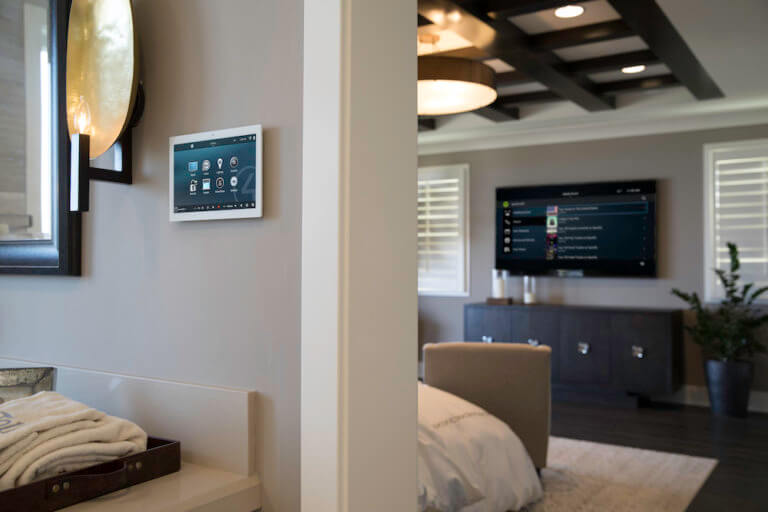
• In-wall keypads for quick access in main rooms
• Handheld remotes for living rooms or home theaters
• Voice control for hands-free commands
• Smartphone or tablet apps for deeper control when you want it
In a busy household, presets are your best friend. A keypad or app can have labeled buttons like:
• “Family Dinner” turns on music in the kitchen and dining room at a moderate volume
• “Homework Time” brings up a focus playlist in the kitchen and kids’ rooms
• “Party Mode” links main-floor zones and the patio to the same playlist
When audio connects with a broader smart home system, it can work alongside lighting, TVs, and other devices. For example, starting a movie scene might dim the lights, lower shades, and fade in the home theater audio while other zones go quiet.
We also see parents using audio as a gentle tool for digital wellness. Instead of more screen time, they create scenes with:
• White noise or soft sounds for naps
• Instrumental tracks during study sessions
• Calm playlists as part of a bedtime routine
Budget, Quality, and Future-Proofing Your System
Whole house audio can start small and grow with your family. Many people begin with a few high-use rooms, like the kitchen, family room, and primary bedroom, then add kids’ rooms, home office, basement, or outdoor zones over time.
There is a big difference between big-box DIY bundles and professionally designed systems. With a pro design you usually get:
• Clearer sound at lower volumes, so the house feels calmer
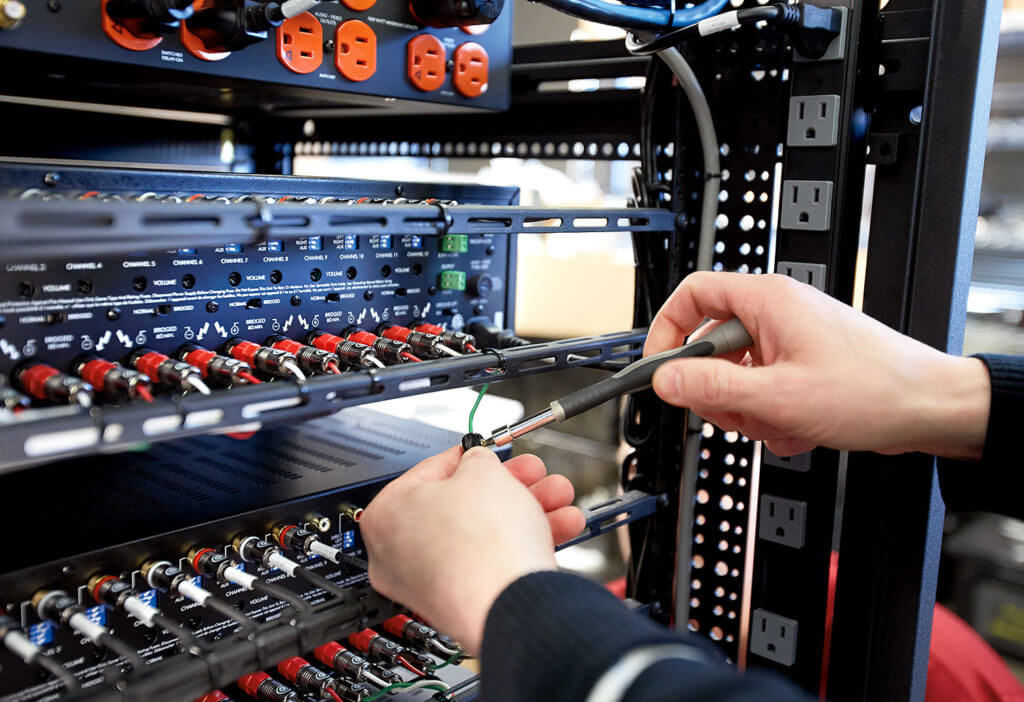
• Wiring that is safe, hidden, and organized
• Controls that make sense for your family, not just what comes in a box
• Matching audio levels and tone from room to room
Future-proofing is about giving yourself options later. That often means:
• Choosing equipment that can support more zones when you are ready
• Using platforms that can update as streaming services change
• Planning wiring and network so upgrades are easier, not harder
In southeast Michigan, weather matters. Long, cold seasons make indoor audio a big deal, since more time is spent inside. When it is warm, outdoor zones on patios, porches, or near pools turn your yard into another living area. A well-designed system lets you enjoy both without having to redo everything each time you want to expand.
How Many Rooms Should I Include in a Whole House Audio System?
Start with the spaces your family uses every day, like the kitchen, family room, and primary bedroom, then add areas such as kids’ rooms, home office, outdoor patio, and basement as your budget allows. A good rule of thumb is to design for future expansion even if you only install a few zones at first.
Will a Whole House Audio System Work in an Older Home?
Yes, older homes can support whole house audio. A professional installer can combine discreet wiring where possible with wireless solutions where opening walls is difficult, creating a hybrid system that keeps your home’s character while still giving you modern convenience.
Is It Better to Use Smart Speakers or a Built-In System?
Smart speakers are convenient for a quick, inexpensive setup, but a built-in whole house audio system usually offers better sound quality, reliability, and a cleaner look. Many families end up using both, with integrated speakers in main spaces and a few smart speakers in secondary or temporary areas.
Can I Control Different Music in Different Rooms at the Same Time?
Yes, that is one of the biggest benefits of a whole house audio system. Each zone can play its own source at its own volume, or you can group zones together for synchronized sound during parties, family events, or whenever you want music flowing through the entire home.
How Long Does Professional Installation Usually Take?
Timelines vary based on how many zones you want and whether your home is under construction or fully finished. Many projects take from a single day to a few days, and during a consultation a pro can explain a realistic schedule so you know what to expect.
Get Started With Your Project Today
Transform the way you enjoy music at home with a customized whole house audio system designed and installed by FPAV Electronics. We will work with you to understand how you use each room and recommend the right speakers, controls, and integration options. If you are ready to discuss ideas, timelines, and budget, simply contact us and we will help you plan the next steps.