Smart Home Automation Company Vs DIY: What to Choose
9 min read
Make Your Home Smarter Without Losing Your Mind
Smart home tech sounds fun until you start shopping. Suddenly you are staring at hubs, apps, bridges, and a long list of devices that all promise to change your life. It is easy to feel stuck between trying to do it all yourself or handing everything over to a smart home automation company. Either way, you just want your home to be simple, comfortable, and reliable.
Late summer is a popular time to finally tackle those projects. Days are still long, kids are about to be back in school, and many people want their homes ready before busy fall and winter routines. In this article, we will walk through the real tradeoffs between DIY smart home systems and working with a professional smart home automation company. Our goal is to help you choose a path that fits your home, your budget, and your long-term plans. We design and install systems every day in southeast Michigan, so we see where both approaches work and where they cause headaches.
What DIY Smart Home Systems Really Cost You
DIY gear can look cheaper at first glance. You see a smart speaker on sale or a camera kit online and it feels like an easy win. But there are hidden costs that do not show up on that first receipt.
Some things people often forget to factor in are:
• Extra accessories like mounts, power adapters, and smart switches
• Monthly subscriptions for cloud video storage or advanced app features
• Upgrades to routers, Wi-Fi access points, or network switches
• Time spent learning apps, reading manuals, and watching how-to videos
Then there is the cost of frustration. Many homes end up with:
• App overload, where every room seems to use a different brand and app
• Devices that will not talk to each other or only work halfway together
• Wi-Fi dead zones that cause cameras or doorbells to freeze or lag
• “Weekend” projects that stretch into weeks of trial and error
DIY is not all bad. It can be a great way to test the waters. Some smart upgrades are usually manageable for confident homeowners, like:
• A single smart speaker or two in common rooms
• A basic smart thermostat that works with your existing system
• A couple of Wi-Fi cameras or a video doorbell at main entries
For small, stand-alone projects, DIY can make sense. The trouble usually begins when different pieces start to pile up and you want them to act like one complete system.
How a Smart Home Automation Company Adds Value
A smart home automation company looks at your house in a more complete way. Instead of asking “Which gadget should we add?” we ask, “How should this whole home feel and work every day?”
Whole-home planning and design is a big part of that. A professional team will:
• Walk through your spaces and ask how you use each room
• Look at construction details that might affect wiring or Wi-Fi
• Plan for future needs so you do not paint yourself into a corner
This design-first approach helps you avoid the “stack of boxes in the basement” problem where parts never quite fit together.
Then comes installation and integration. Professional work can include:
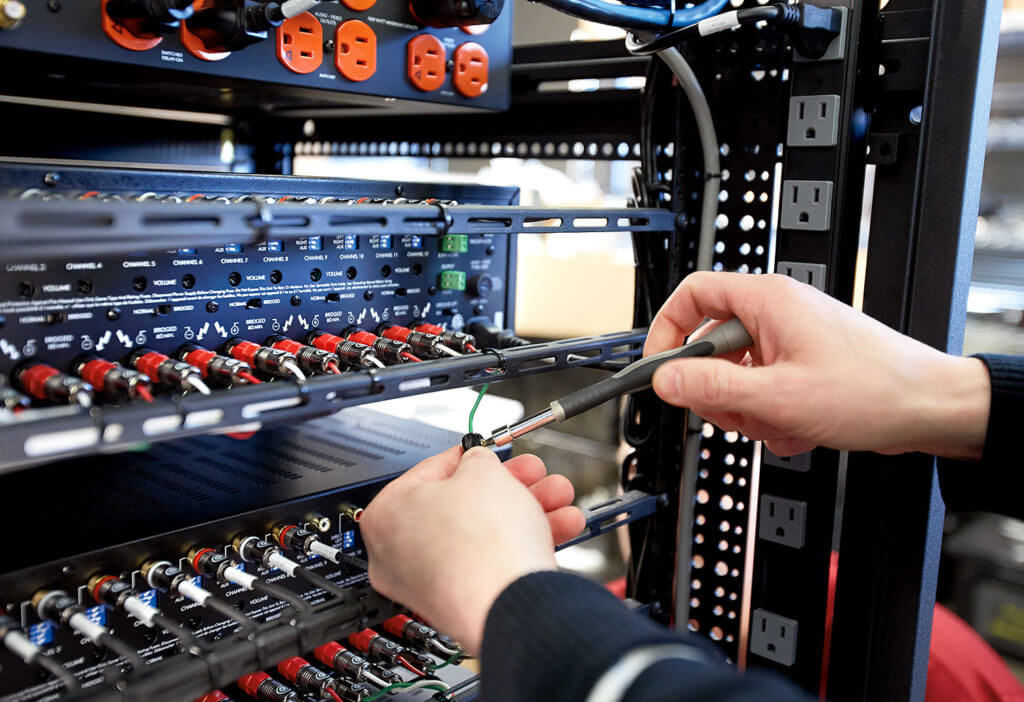
• Clean wiring that stays out of sight and leaves less clutter
• Hidden equipment racks so gear is not stacked behind the TV
• Strong networking to support streaming, security, and automation
• Unified control of lighting, shades, audio, video, climate, and security
You press one button and several things happen at once, instead of opening four different apps.
Support is another big piece of value. With DIY, you often end up as your own tech support line. With a smart home automation company, you have:
• One point of contact when something acts up
• Help when a phone update breaks an app or remote
• Guidance on upgrades so your system keeps up with new tech
That support keeps your system steady through season changes, power flickers, and upgrades to your internet or TVs.
Comparing Control, Complexity, and Customization
One of the clearest differences between DIY setups and professional systems is how easy they are for everyone to use. In many DIY homes, each person in the family has a different way to control lights, music, or the TV, and guests are lost.
With a professionally designed system, you can have scenes that are simple to understand, like:
• “Goodnight” to turn off lights, lock doors, adjust temperature, and arm security
• “Away” to close shades, switch off audio and video, and set your alarm
• “Movie” to dim lights, drop a screen, and start your home theater
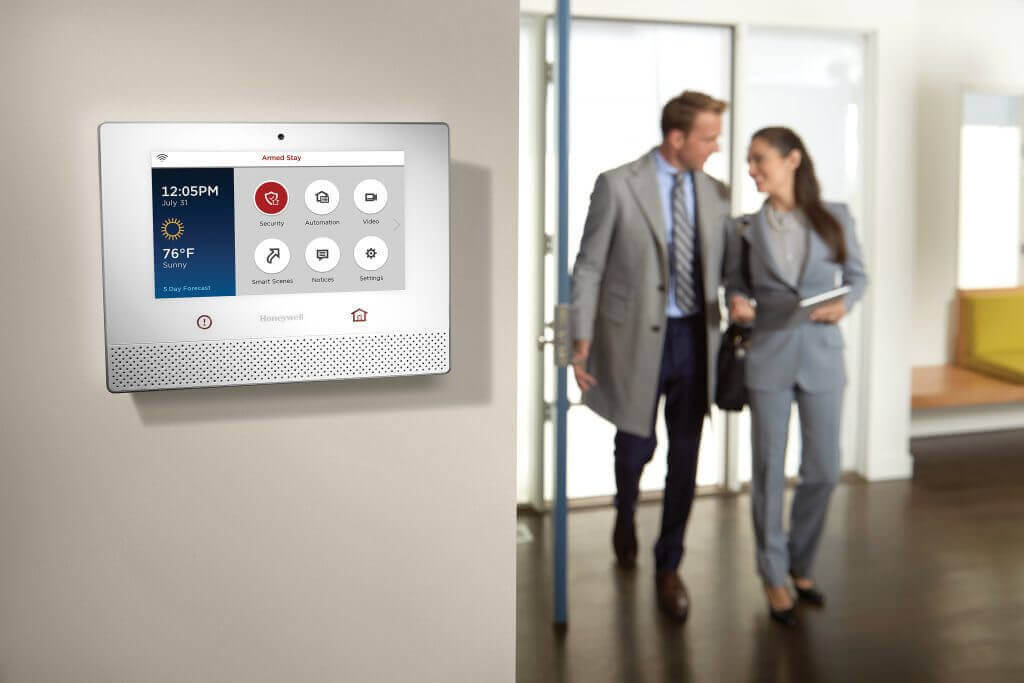
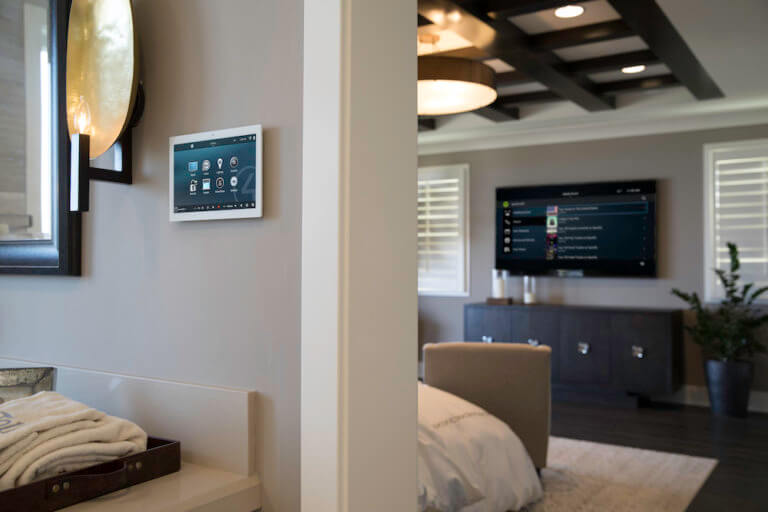
These scenes can show up on wall keypads, touch panels, or a single remote so nobody has to hunt through folders of apps.
Reliability is another key factor. In real life, things happen:
• Power blips during storms
• Internet hiccups on busy evenings
• Big swings in Michigan weather that affect Wi-Fi signal or equipment
A professionally planned ecosystem is built to handle these bumps with stronger networking, better equipment placement, and gear that is designed to work together over time.
Customization is where a smart home automation company really stands out. Instead of just plugging in a few gadgets, you can:
• Create a dedicated home theater or media room tuned for your space
• Add outdoor audio that covers patios, decks, and yards for summer evenings
• Design security that goes beyond basic cameras, including door access and alerts
These custom options help your home feel tailored to your life, not just filled with devices.
Choosing the Right Path for Your Michigan Home
So which way should you go? DIY or professional, or some mix of both? It depends on your home, your comfort with tech, and how much time you want to spend tinkering.
DIY can be a better fit when:
• You live in a smaller condo or apartment
• You are renting and cannot open walls or run new wiring
• You enjoy tech projects and learning new systems
• You only want to start with a few smart plugs, bulbs, or a simple camera
In those cases, keeping things light and flexible makes sense.
A smart home automation company is usually the better choice when:
• You have a larger home with many rooms or floors
• You are planning a remodel or new construction
• You have a busy family and do not want to be tech support
• You own a lake house or vacation home and need strong, reliable remote access
• Security, reliability, and future resale appeal matter a lot to you
There is also a hybrid path many homeowners follow. They start with a few DIY devices, then reach a point where they want everything to feel more unified. At that stage, a professional team can:
• Pull together your existing devices where possible
• Replace weak spots that cause problems
• Expand into home theater, whole-home audio, and stronger security
This way, your early DIY steps are not wasted, but you still end up with a system that feels complete and easy to use.
See It, Test It, Plan It: Your Next Smart Home Move
The best way to understand smart home options is to see them in action. A real-world showroom lets you:
• Try different types of remotes, touch panels, and wall keypads
• Hear how various audio setups sound in a real space
• Compare display options for media rooms and home theaters
• Experience lighting scenes instead of just guessing from a product description
That hands-on time makes it much easier to decide what you actually like, not just what looks good in an online ad.
Seasonal timing also matters. Late summer is a smart window to plan projects, because:
• You can address Wi-Fi coverage and outdoor audio while you are still using your yard
• Systems can be ready before earlier sunsets and longer nights arrive
• You are less likely to be juggling holiday guests, travel, and school events
A simple way to get clear on your next steps is to list your top three priorities. For most people, those fall into:
• Comfort, like lighting, climate, and shading
• Entertainment, like home theater and multiroom audio
• Security, like cameras, smart locks, and alarm integration
Once you know which of those matters most, it becomes much easier to decide where DIY is enough and where a smart home automation company such as FPAV Electronics can help you design a system that truly fits your home and how you live in it.
FAQs
What are the main differences between DIY and professional smart home systems?
DIY systems are often cheaper initially but can lead to app overload and fragmented control, whereas professional systems offer unified control, seamless integration, and expert support.
When is it better to choose a DIY smart home approach?
DIY is a great fit for smaller homes, renters who cannot run wiring, or tech-savvy homeowners who enjoy projects and are starting with a few simple, stand-alone devices.
What hidden costs should I consider with DIY smart home setups?
Remember to factor in the costs of extra accessories like mounts and switches, potential monthly subscription fees, network upgrades for better Wi-Fi, and the significant time required for troubleshooting.
How does a smart home automation company provide extra value?
Professionals offer a design-first approach that ensures all your technology works together reliably, provides clean, hidden installations, and acts as a single point of contact for future maintenance and support.
Is it possible to combine DIY and professional smart home systems?
Yes, many homeowners start with DIY devices and eventually transition to a professional system, which can integrate existing compatible gear while replacing weak spots to create a more unified experience.
Transform Your Home With Smart Automation Today
If you are ready to make your home more comfortable, secure, and easy to manage, FPAV Electronics is here to help. As a trusted smart home automation company, we design and install systems tailored to how you actually live every day. Reach out to contact us so we can review your goals and recommend the right solution for your space.